Closed Today
Opens Tomorrow at 10:00 AMAsia market in satellite town market, near hanif heights, Gujranwala
View on Maps →
Braces vs Clear Aligners: A Practical Comparison
Compare braces vs clear aligners for suitability, appearance, comfort, cleaning, costs and appointments. Learn what to ask before treatment.
Book Appointment NowSmile Mender Team
Dental Expert
Braces and clear aligners both straighten teeth, but they differ in how they work, daily care, and suitability. Braces remain fixed to the teeth and can manage a broad range of alignment and bite problems. Clear aligners are removable and less noticeable but require consistent daily wear. The right choice depends on your teeth, bite, treatment needs, and ability to follow instructions.
What Is the Difference Between Braces and Clear Aligners?
Orthodontic treatment helps correct crooked teeth, gaps, crowding, and certain bite problems.
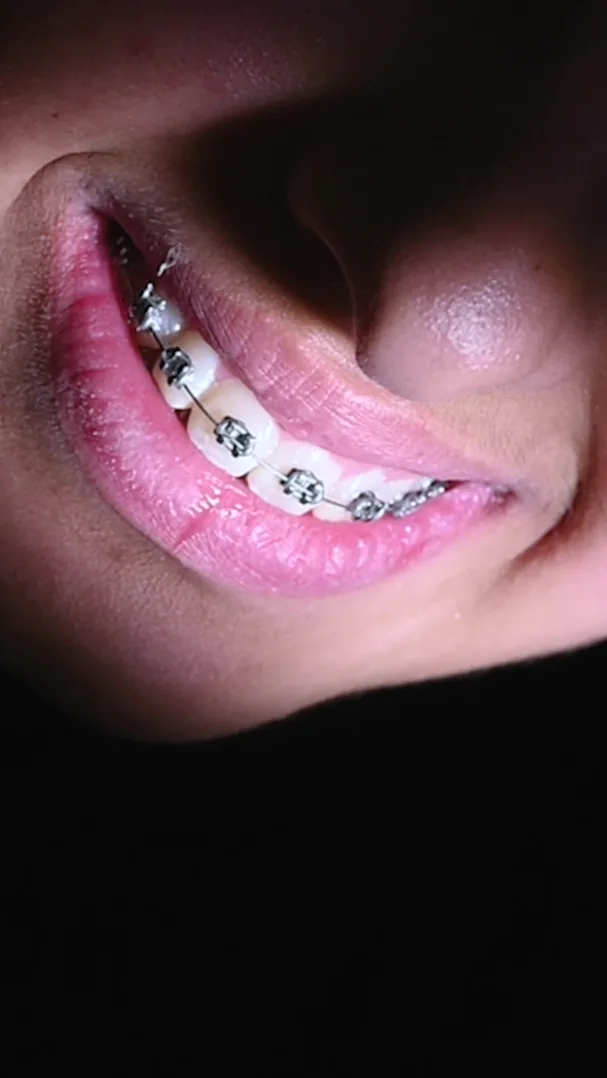
Traditional braces use brackets and wires attached to the teeth. These apply controlled forces that gradually move teeth into planned positions.
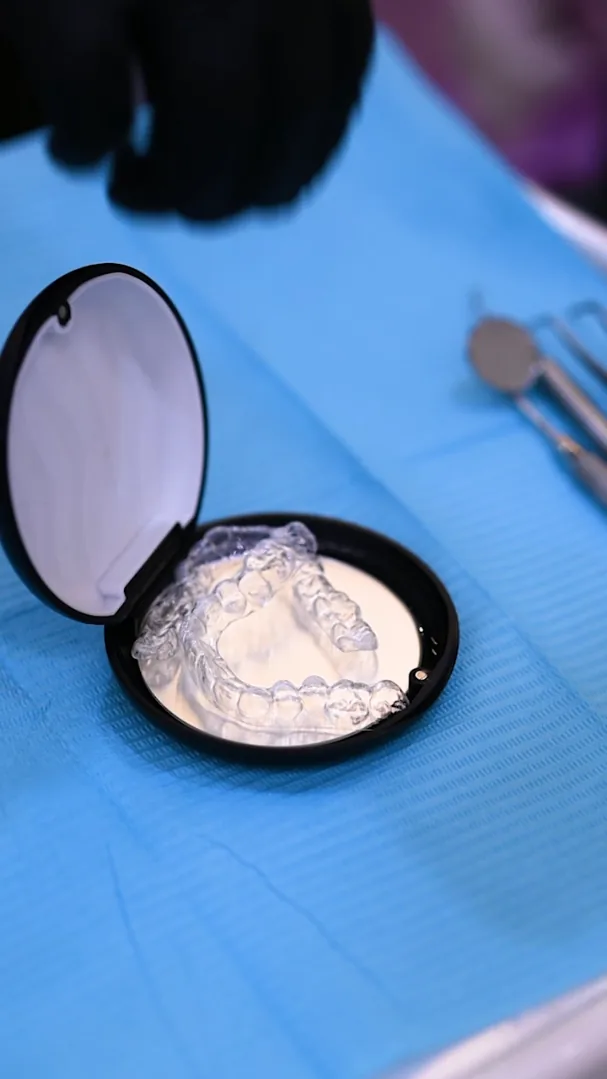
Clear aligners use a customized series of transparent, removable trays to move teeth progressively.
Both approaches can be effective when appropriately planned and monitored by a qualified dental professional. The main difference is how the appliances fit into your daily routine and which tooth movements they can achieve predictably.
Braces vs Clear Aligners: Side-by-Side Comparison
Understanding the practical differences can help you prepare for an orthodontic consultation.
| Feature | Traditional Braces | Clear Aligners |
|---|---|---|
| Appliance | Fixed brackets and wires | Removable transparent trays |
| Appearance | More noticeable, depending on the type | Generally less noticeable |
| Suitable cases | Broad range of alignment and bite problems | Many alignment problems; suitability varies |
| Eating | Some hard and sticky foods should be avoided | Removed before meals |
| Cleaning | Requires careful cleaning around brackets and wires | Teeth can be brushed and flossed after removing trays |
| Daily responsibility | Appliance stays attached to teeth | Must be worn consistently as prescribed |
| Appointments | Scheduled adjustments and progress checks | Progress checks and replacement trays |
| Repairs | Brackets or wires may occasionally need repair | Trays can be lost, damaged, or require replacement |
| Retainers | Usually required after treatment | Usually required after treatment |
Neither option is automatically faster, cheaper, or more effective for every patient. An orthodontic assessment is necessary to determine which approach is appropriate.
Which Treatment Is Suitable for Different Dental Problems?
The suitability of braces and clear aligners depends on the type and complexity of tooth movement required.
Are Braces Better for Complex Alignment Problems?
Traditional fixed braces can manage a wide range of orthodontic concerns, including significant crowding, rotated teeth, and certain complex bite problems.
Because braces remain attached to the teeth, patients do not need to remember to wear the appliance each day. However, fixed braces require careful oral hygiene and attention to dietary restrictions.
Explore Orthodontic Braces in Gujranwala for more information about the treatment process.
Can Clear Aligners Correct Crowded or Gapped Teeth?
Clear aligners may be suitable for mild to moderate crowding, spaces between teeth, and selected bite concerns. Some more complex cases can also be managed with aligners, depending on the clinical situation and treatment system.
However, not every tooth movement or bite problem can be predictably managed with removable aligners alone.
At Smile Mender, clear aligner planning includes an orthodontic assessment and digital records when appropriate. Learn more about Clear Aligners in Gujranwala.
How Do Braces and Clear Aligners Affect Daily Life?
The daily experience is an important consideration when choosing orthodontic treatment.
Can You Eat Normally With Braces?
Braces remain attached while eating, so patients generally need to avoid foods that could damage brackets or wires. Very hard, sticky, or chewy foods can cause problems with fixed orthodontic appliances.
Your dental provider will explain which foods to avoid and how to protect the appliance during treatment.
Do You Remove Clear Aligners Before Eating?
Yes. Clear aligners are normally removed for meals. Patients should also follow their provider's instructions about which drinks are suitable while aligners are in place.
Because aligners are removable, there are fewer appliance-related food restrictions, but patients must remember to wear them for the prescribed duration. For many aligner systems, this is approximately 20–22 hours daily, although the exact schedule depends on the treatment plan.
Which Option Is Easier to Clean?
Clear aligners allow you to remove the appliance before brushing and flossing, making ordinary tooth cleaning more straightforward. However, the trays themselves require regular cleaning, and teeth should be cleaned before reinserting them whenever possible.
Braces require more detailed cleaning around brackets and wires, where food particles and plaque can accumulate.
Both treatments require consistent oral hygiene to reduce the risk of tooth decay and gum inflammation. Professional Scaling and Polishing may also be recommended if plaque or tartar needs professional removal.
Do Braces or Clear Aligners Require More Appointments?
Both treatments require professional monitoring.
With braces, appointments may involve adjusting wires, checking brackets, and evaluating tooth movement.
With clear aligners, your provider checks treatment progress, tray fit, and whether the planned movements are occurring. Some aligner systems use a series of trays that patients change according to their prescribed schedule.
Neither approach eliminates the need for regular clinical assessment. Appointment frequency varies with treatment complexity, the appliance used, and individual progress.
Are Braces or Clear Aligners More Comfortable?
Both treatments apply controlled forces to move teeth, so temporary pressure or tenderness can occur.
Braces may sometimes irritate the lips or cheeks, particularly after placement or adjustments. Aligners have smooth plastic surfaces, but patients can still experience tenderness, pressure, or irritation.
Comfort varies between individuals and across different stages of treatment. Persistent or unusual discomfort should be discussed with the treating dental professional.
Which Costs More: Braces or Clear Aligners?
There is no universal price difference that applies to every clinic or patient.
Orthodontic costs may depend on:
- Complexity of the alignment or bite problem.
- Type of appliance or aligner system.
- Diagnostic X-rays, scans, or treatment records.
- Required appointments and adjustments.
- Additional procedures, if clinically necessary.
- Retainers and follow-up arrangements.
When comparing braces and aligner quotations in Gujranwala, ask for an itemized treatment estimate. Confirm whether the fee includes diagnostic assessments, appliance placement or fabrication, routine appointments, refinements or repairs, and retainers.
Choosing between treatments based only on the starting price may result in overlooking important differences in what the quotation covers.
How Long Does Braces or Clear Aligner Treatment Take?
Treatment duration varies according to individual needs. Factors include the amount of tooth movement required, the complexity of the bite problem, biological response, oral health, and adherence to treatment instructions.
Clear aligners are not automatically faster than braces, and braces are not necessarily quicker for complex cases.
After an orthodontic assessment, your dental provider can discuss an estimated treatment timeline. However, this is not a guaranteed completion date.
Will You Need Retainers After Treatment?
Yes, retainers are generally recommended after active orthodontic treatment with either braces or clear aligners. Teeth can shift after treatment if their new positions are not maintained.
Your provider may recommend removable or fixed retainers depending on your circumstances. The retainer type, wearing schedule, and follow-up requirements should be discussed before starting treatment.
How Do You Decide Between Braces and Clear Aligners?
When comparing the two options, consider four practical questions:
- What needs correcting? The complexity of tooth movement or bite adjustment may influence which appliances are suitable.
- Can you follow the daily requirements? Clear aligners require consistent wear, while braces remain fixed.
- What maintenance can you manage? Braces need careful cleaning around wires and brackets, while aligners require cleaning and safe storage.
- What does the full treatment plan include? Compare appointment arrangements, expected costs, potential additional procedures, and retainers.
The best choice is the one that is clinically appropriate and practical for your individual circumstances.
Explore Orthodontic Treatment at Smile Mender in Gujranwala
If you are considering braces or clear aligners, a dental assessment can help identify suitable treatment options.
Smile Mender Dental Clinic offers both orthodontic braces and clear aligners at its Satellite Town, Gujranwala location.
During your consultation, ask about your tooth alignment, bite, appropriate treatment options, care requirements, and written treatment estimates.
Smile Mender Dental Clinic
- Address: Asia Market, Satellite Town Market, near Hanif Heights, Gujranwala
- Phone / WhatsApp: 0308 3735588
- Email: hello@smilemender.pk
- Appointments: Book a Dental Consultation
Schedule an orthodontic assessment to discuss which treatment options may be suitable for your teeth and bite.


Key Points to Remember
Important highlights and takeaways from this article
Fixed vs removable
Braces use brackets and wires that stay on your teeth; clear aligners are transparent trays you remove to eat and clean.
Suitability depends on your case
Braces manage a broad range of alignment and bite problems. Aligners suit many cases, but not every tooth movement is predictable with them.
Aligners need daily commitment
Many aligner systems need about 20–22 hours of wear a day, as set out in your treatment plan.
Neither is automatically faster or cheaper
Time and cost depend on the complexity of the problem, the appliance, appointments and how your teeth respond.
Compare itemized estimates
Check whether a quote covers diagnostics, routine appointments, refinements or repairs, and retainers.
Retainers follow both treatments
Teeth can shift once treatment ends, so a removable or fixed retainer is usually recommended.