Closed Today
Opens Tomorrow at 10:00 AMAsia market in satellite town market, near hanif heights, Gujranwala
View on Maps →
Bleeding Gums When Brushing: When Should You See a Dentist?
Bleeding gums when brushing? Learn common causes, warning signs, when to visit a dentist and how professional dental care may help.
Book Appointment NowSmile Mender Team
Dental Expert
Bleeding gums when brushing can be an early sign of gum inflammation, often caused by plaque buildup along the gumline. Brushing too hard may also contribute, but repeated bleeding should not be ignored. If your gums bleed when brushing, arrange a dental checkup to identify the cause. Early assessment can help prevent minor gum problems from developing into more serious conditions.
Why Do Your Gums Bleed When Brushing?
Healthy gums do not usually bleed during gentle brushing or flossing.
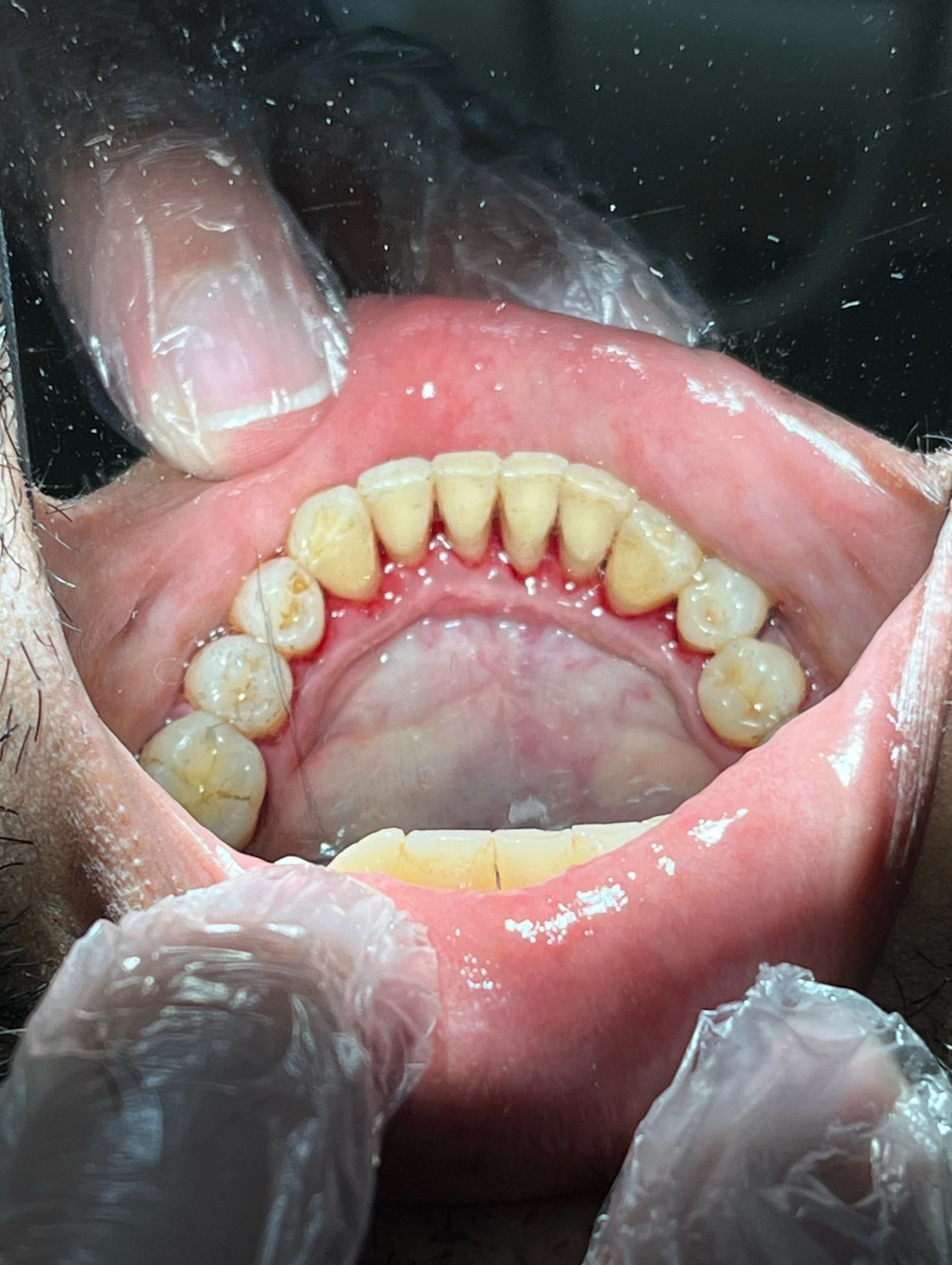
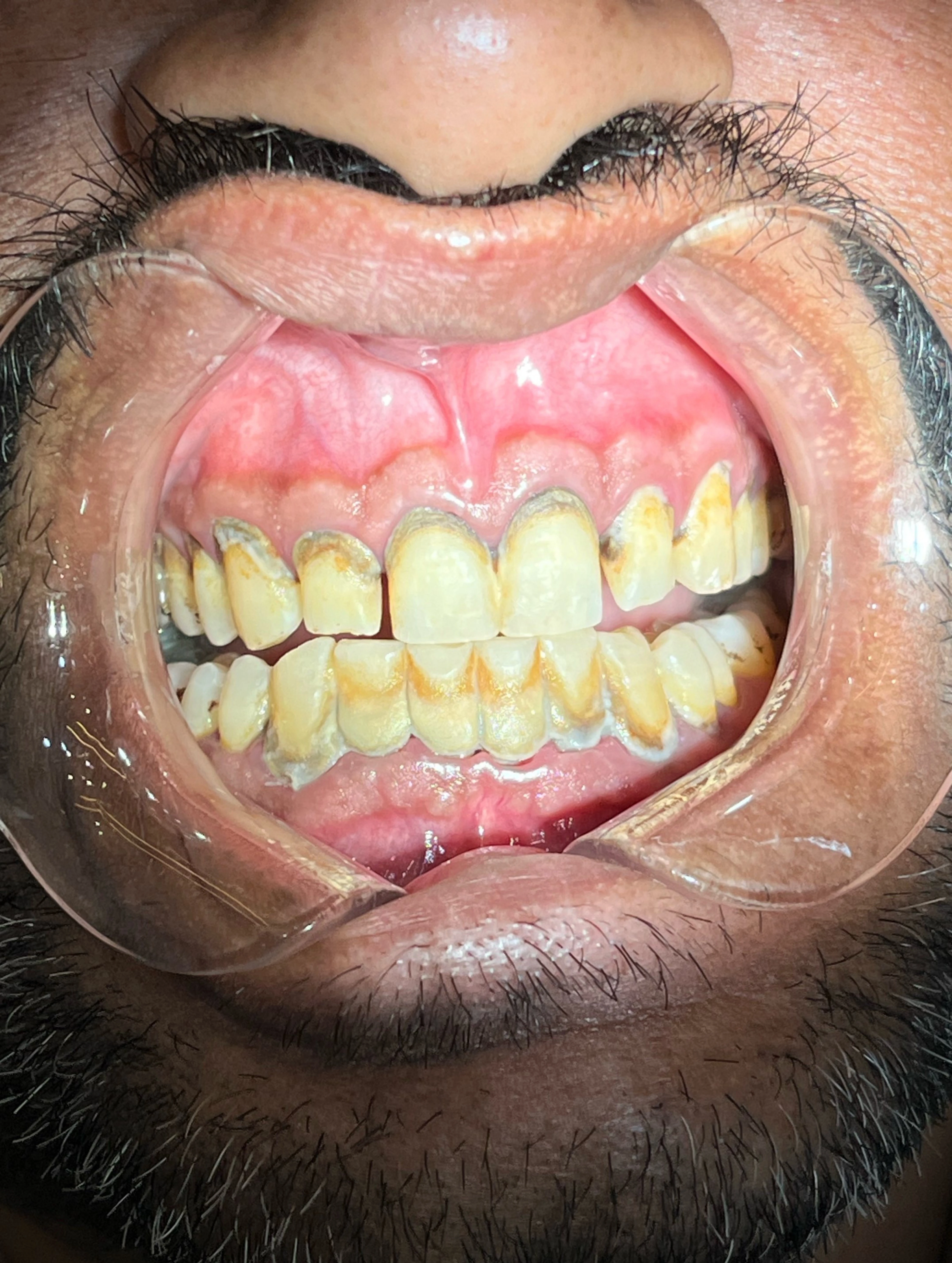
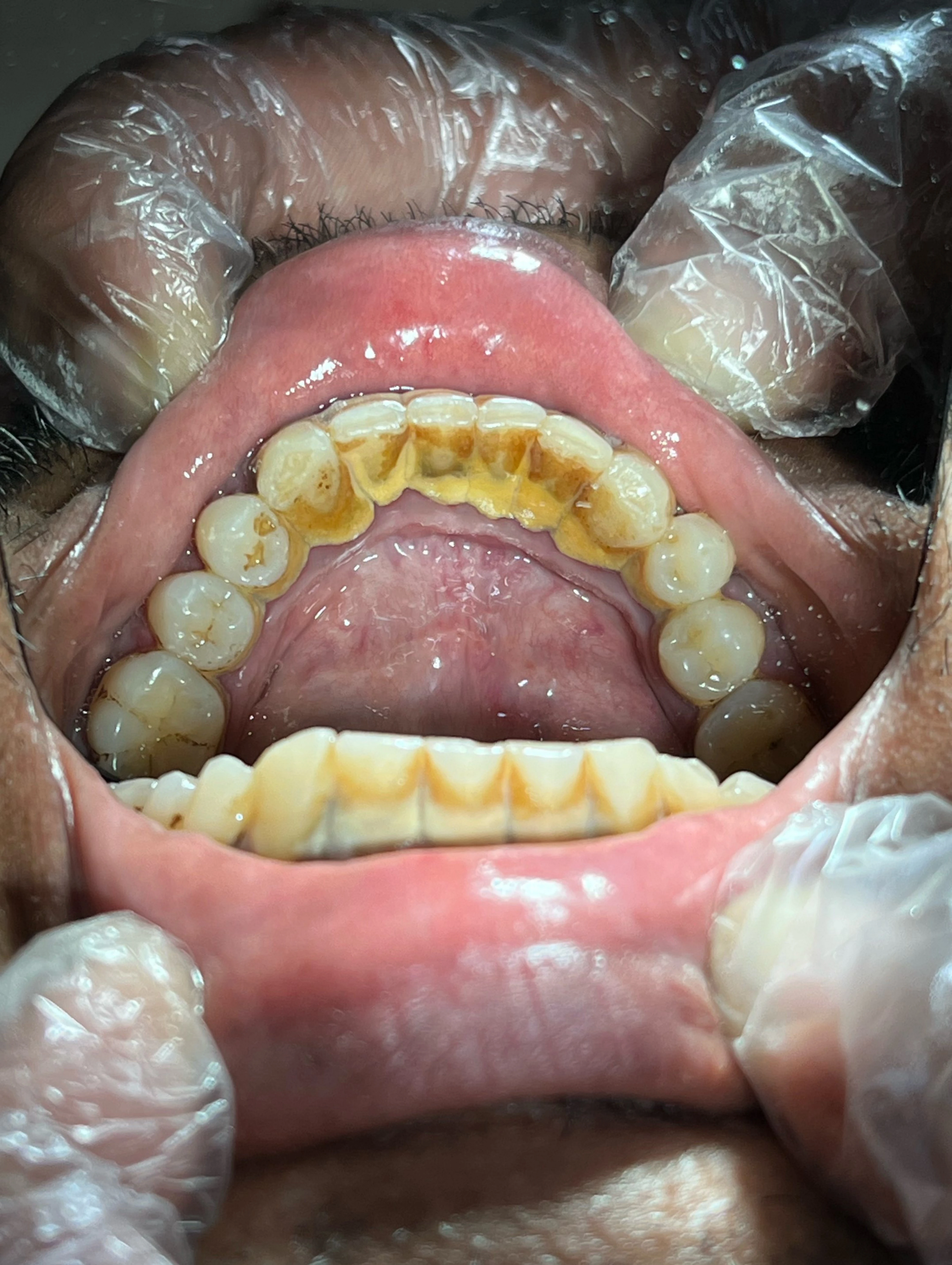
One of the most common reasons for bleeding gums is gingivitis, an early stage of gum disease caused by plaque accumulating around the teeth. Plaque contains bacteria that can irritate the gums, resulting in inflammation, redness, swelling, and bleeding.
Other possible causes include:
- Brushing too aggressively: Excessive pressure or a hard-bristled toothbrush may irritate gum tissue.
- Inconsistent flossing: Inflamed gums may bleed when cleaning between the teeth, particularly if this has not been done regularly.
- Tartar buildup: Hardened plaque can contribute to gum irritation and requires professional removal.
- Hormonal changes: Pregnancy and puberty can influence gum sensitivity and inflammation.
- Certain medications or medical conditions: Some medicines and health conditions can increase bleeding or affect gum health.
Bleeding alone cannot confirm the underlying cause. A dental examination is needed to determine whether the issue is related to gum disease, brushing technique, or another condition.
When Should You See a Dentist for Bleeding Gums?
If your gums bleed when brushing, arranging a dental appointment is advisable, particularly when the bleeding happens repeatedly or is accompanied by other symptoms.
What Warning Signs Should You Look For?
Consider booking a dental checkup if you notice:
- Bleeding during brushing or flossing.
- Red, swollen, or tender gums.
- Persistent bad breath or an unpleasant taste.
- Gum recession or teeth appearing longer.
- Discomfort while chewing.
- Changes in how your teeth fit together.
Seek urgent dental advice if bleeding is accompanied by severe gum swelling, significant pain, loose teeth, or a new lump in your mouth. Bleeding that is heavy or will not stop requires prompt medical attention.
If you are experiencing bleeding gums in Gujranwala, a routine dental checkup at Smile Mender can help identify the possible cause and guide the next steps.
Is Bleeding When Flossing Normal?
Some people notice bleeding when they begin flossing, especially when their gums are already inflamed. However, bleeding should not automatically be considered normal or harmless.
Flossing with excessive force can irritate the gums, while plaque-related inflammation may also cause bleeding. Use gentle movements when cleaning between your teeth. If bleeding occurs, arrange an assessment rather than assuming it will resolve on its own.
Your dentist can demonstrate the appropriate brushing and interdental cleaning techniques for your oral health needs.
Can Bleeding Gums Be a Sign of Gum Disease?
Yes. Bleeding gums are a common early warning sign of gingivitis.
If plaque remains around the gumline, inflammation may persist. In some patients, gum disease can progress to periodontitis, which affects the tissues and bone supporting the teeth.
| Gingivitis | Periodontitis |
|---|---|
| Inflammation mainly affecting the gums | Inflammation and damage involving supporting tissues |
| May cause redness, swelling, and bleeding | May cause gum recession, deeper pockets, or loose teeth |
| Usually reversible with appropriate care | Requires ongoing professional management |
| Often managed with improved oral hygiene and professional cleaning when needed | May require more extensive periodontal treatment |
Not everyone with gingivitis develops periodontitis, and bleeding does not automatically mean advanced gum disease. Early professional assessment helps determine the condition and appropriate care.
Should You Stop Brushing If Your Gums Bleed?
Generally, no. Stopping brushing allows plaque to accumulate, potentially worsening gum inflammation. Instead, continue cleaning your teeth carefully.
Helpful oral hygiene practices include:
- Brush twice daily using fluoride toothpaste and a soft-bristled toothbrush.
- Use gentle pressure rather than scrubbing aggressively.
- Clean between your teeth daily using floss or another suitable interdental cleaning tool.
- Avoid forcing floss into the gums.
- Schedule a dental examination if bleeding occurs.
These steps support oral health but do not replace professional treatment when gum disease or another medical condition is present.
Can Scaling and Polishing Help With Bleeding Gums?
Professional scaling removes plaque and hardened tartar that cannot be removed effectively through ordinary brushing. When plaque-related gingivitis is responsible for bleeding, professional cleaning alongside improved daily oral hygiene may help reduce gum inflammation.
However, not every patient with bleeding gums needs the same procedure. A dentist may recommend scaling, more extensive periodontal care, changes to oral hygiene practices, or further investigation depending on the findings.
At Smile Mender Dental Clinic, patients can learn more about Scaling and Polishing in Gujranwala.
For additional information, read What Is Scaling and Polishing? Benefits, Procedure and Cost in Pakistan.
How Can You Help Prevent Bleeding Gums?
The best approach is consistent oral hygiene combined with professional dental care when needed.
Regular brushing and interdental cleaning reduce plaque accumulation, while dental checkups help identify concerns that may not be obvious at home. Your dentist may recommend personalized cleaning techniques, professional scaling, or additional treatment according to your gum health.
If your gums continue bleeding, do not rely on mouthwash or home remedies alone to address the problem.
Book a Gum Health Checkup at Smile Mender in Gujranwala
Bleeding gums are common, but they should not be ignored.
Whether you notice occasional bleeding, gum swelling, or persistent discomfort, a dental assessment can help identify the cause and determine whether treatment is necessary.
Smile Mender Dental Clinic
- Location: Asia Market, Satellite Town Market, near Hanif Heights, Gujranwala.
- Phone / WhatsApp: 0308-3735588
- Services: Routine Dental Checkup and Scaling & Polishing
- Appointments: Book an Appointment
Schedule your consultation to discuss your gum health and receive personalized dental advice.

Key Points to Remember
Important highlights and takeaways from this article
Healthy gums rarely bleed
Gums do not usually bleed during gentle brushing or flossing, so repeated bleeding is a reason to book a dental checkup.
Plaque is a common cause
Gingivitis from plaque along the gumline often causes bleeding; hard brushing, tartar, hormones and some medicines can also contribute.
Keep brushing, but gently
Stopping lets plaque build up. Brush twice daily with fluoride toothpaste, a soft-bristled brush and gentle pressure.
Clean between your teeth daily
Use floss or another interdental cleaner with gentle movements, without forcing it into the gums.
Scaling helps when tartar is involved
Professional scaling removes tartar that brushing cannot. Whether bleeding improves depends on the cause your dentist finds.
Know when it is urgent
Heavy bleeding that will not stop, severe swelling, significant pain, loose teeth or a new lump need prompt attention.