Closed Today
Opens Tomorrow at 10:00 AMAsia market in satellite town market, near hanif heights, Gujranwala
View on Maps →
Root Canal vs Extraction: Which Is Better?
Root canal vs extraction: compare treatment, cost, recovery, and long-term options to see which may be better for your tooth in Gujranwala.
Book Appointment NowSmile Mender Team
Dental Expert
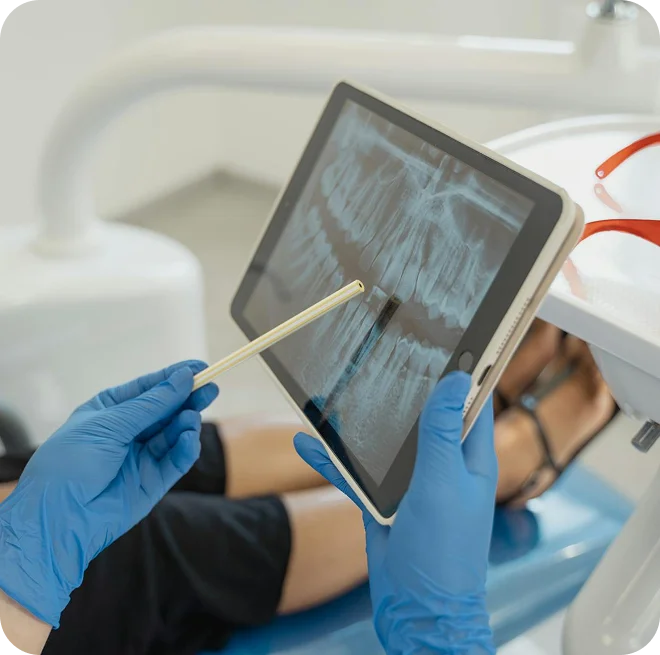
If a damaged or infected tooth can still be predictably restored, root canal treatment is usually preferred because it removes infected tissue while keeping your natural tooth. Extraction may be better when the tooth is too badly decayed, fractured, loose, or otherwise cannot be restored successfully. The choice should follow a dental examination and appropriate X-rays.
For patients in Gujranwala or Satellite Town, the decision should be based on the condition of the tooth, gums and supporting bone, plus the long-term treatment plan. The American Association of Endodontists similarly emphasizes preserving a restorable natural tooth when root canal treatment is a viable option.
Root Canal vs Extraction: What Is the Difference?
Root Canal Therapy treats the inside of a tooth while leaving it in place. The dentist removes inflamed or infected pulp, cleans and seals the canals, and restores the tooth. The main advantage is preserving the natural tooth. Smile Mender's published process includes examination and X-rays, local anaesthesia, removal of infected pulp, canal cleaning and sealing, followed by a temporary or permanent restoration.
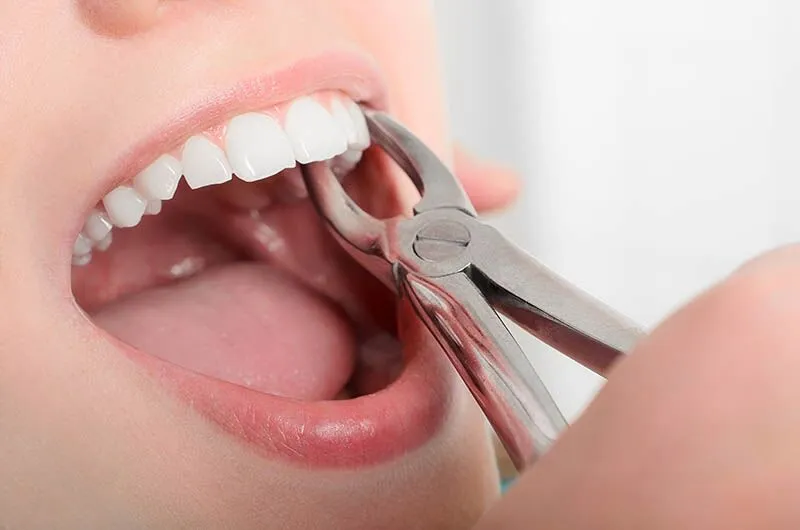
A Tooth Extraction removes the tooth from its socket. Smile Mender states that extraction may be appropriate when a tooth is so badly damaged or decayed that it cannot be restored with a filling, crown, or root canal.
When Is a Root Canal Usually Better?
Root canal treatment may be suitable when the pulp is inflamed or infected but the tooth still has enough healthy structure and support to be restored.
Symptoms that may lead to assessment include persistent toothache, lingering hot or cold sensitivity, pain when biting, swelling, or a cracked tooth. These symptoms do not prove that you need a root canal; a dentist still needs to diagnose the cause. Smile Mender lists temperature sensitivity, tender gums, pain when biting and cracked or damaged teeth among reasons to arrange an assessment.
Saving a restorable tooth maintains natural tooth structure and avoids creating a gap. However, a dentist must consider remaining tooth structure, fractures, gum and bone support, previous treatment, and whether the tooth can be restored afterward.
When Is Extraction the Better Choice?
Extraction can be more appropriate when a tooth cannot be predictably saved. This may include severe non-restorable decay, extensive structural damage, certain fractures, advanced gum disease with poor support, or some impacted teeth.
Smile Mender's extraction process includes examination and X-rays, local anaesthesia, removal using a simple or surgical approach, and aftercare instructions.
If extraction leaves a gap that should be replaced, the dentist may discuss options such as a Dental Implant, Crown and Bridge, or another suitable restoration. Missing-tooth replacement is an important part of the comparison because removing a tooth can create additional treatment needs.
Root Canal vs Extraction Cost: What Should You Compare?
Do not compare only the first procedure fee.
Root canal cost can vary according to the tooth, canal complexity, infection, previous treatment, X-rays, and whether a permanent filling or crown is required.
Extraction cost can vary depending on whether removal is simple or surgical and how difficult the tooth is to remove. If the missing tooth is later replaced, the total cost may also include an implant, bridge, denture, imaging, or other procedures. The AAE notes that replacing an extracted tooth can add treatment visits and restorative costs.
Patients comparing root canal vs extraction cost in Gujranwala should therefore ask for a complete treatment estimate instead of relying on a fixed online price.
What Happens During Each Procedure?
For a root canal, the dentist usually examines the tooth, reviews X-rays, uses local anaesthesia, removes affected pulp, cleans and seals the canals, and restores the tooth. A crown may be recommended afterward depending on the tooth and remaining structure.
For extraction, the dentist evaluates the tooth, numbs the area, removes it using the appropriate technique, and gives instructions for healing.
Appointment numbers vary. Root canal treatment may need another visit for the final restoration, while extraction may involve follow-up and, where appropriate, later tooth replacement.
Aftercare: Root Canal vs Extraction
After a root canal, avoid heavy chewing on the treated tooth until the final restoration is complete. Continue oral hygiene as advised and attend follow-up appointments.
After extraction, follow your dentist's instructions to protect the healing site, maintain appropriate oral hygiene, and use medicines only as directed. Seek dental advice if pain, swelling, bleeding, fever, or other symptoms become severe or worsen.
Regular Routine Dental Checkups can help identify decay, cracks and gum problems earlier, when more conservative treatment may still be possible. Smile Mender's checkup service includes oral examination and diagnostic X-rays where appropriate.
Choosing Treatment at Smile Mender, Gujranwala
Smile Mender is located in Asia Market, Satellite Town, near Hanif Heights, Gujranwala.
The clinic's patient-review page also includes testimonials from patients who report receiving root canal treatment, including treatment involving Dr Zain Saleem. Patient reviews describe individual experiences and should not be treated as guarantees of the same outcome for every patient.
Not Sure Whether to Save or Remove Your Tooth?
If you have persistent tooth pain, swelling, sensitivity, or a badly damaged tooth, book a dental appointment at Smile Mender in Satellite Town. A dentist can examine the tooth, review any necessary X-rays, explain whether root canal treatment or extraction is more appropriate, and discuss appointments, restoration needs, aftercare and costs before you decide.
Key Points to Remember
Important highlights and takeaways from this article
Save a restorable tooth
When enough healthy structure and support remain, root canal treatment removes the infection and keeps your natural tooth.
Extract when it cannot be saved
Severe decay, extensive damage, certain fractures, or poor gum and bone support can make removal the more predictable option.
Diagnosis comes first
Symptoms alone do not decide the treatment. An examination and appropriate X-rays are needed before choosing either option.
Compare the whole plan, not the first fee
Root canal cost depends on the tooth and restoration; extraction cost may later include an implant, bridge, or denture.
Plan for the gap
If a removed tooth needs replacing, options may include a dental implant, crown and bridge, or a denture.
Aftercare protects the result
Avoid heavy chewing until the final restoration is placed, follow healing instructions after extraction, and keep up regular checkups.